

There’s a familiar moment in most large-scale projects when budgets tighten and teams start looking for areas to trim. It usually happens late — finishes are being finalized, timelines are compressed, and attention shifts to anything that feels non-structural.
Window treatments often fall into that category.
They’re not mechanical systems. They’re not structural steel. They don’t feel mission-critical.
So they become “easy savings.”
But in multifamily, hospitality, student housing, and mixed-use developments, window treatments are anything but minor. They’re handled every day. They frame every unit. They affect comfort, privacy, light control, and overall perception. And when corners are cut here, the cost doesn’t show up immediately. It shows up later.
Learn how to Choose the Right Window Shades for Multifamily Developments
On paper, shaving $25–$40 per unit across hundreds of openings looks responsible. It may even feel strategic.
But what does that usually mean?
A lighter-duty mechanism.
A residential-grade motor used in a commercial environment.
Fabric chosen for price instead of performance.
Minimal coordination during preconstruction.
Twelve to twenty-four months after turnover, maintenance teams begin seeing the impact. Chains snap. Faux wood warps in humid climates. Blackout shades fray. Motors need troubleshooting. Replacement orders start stacking up.
Now you’re paying for:
• Product
• Labor
• Unit access coordination
• Administrative time
The original savings begin to dissolve.
And because large-scale properties operate continuously, these issues never arrive at a convenient time.
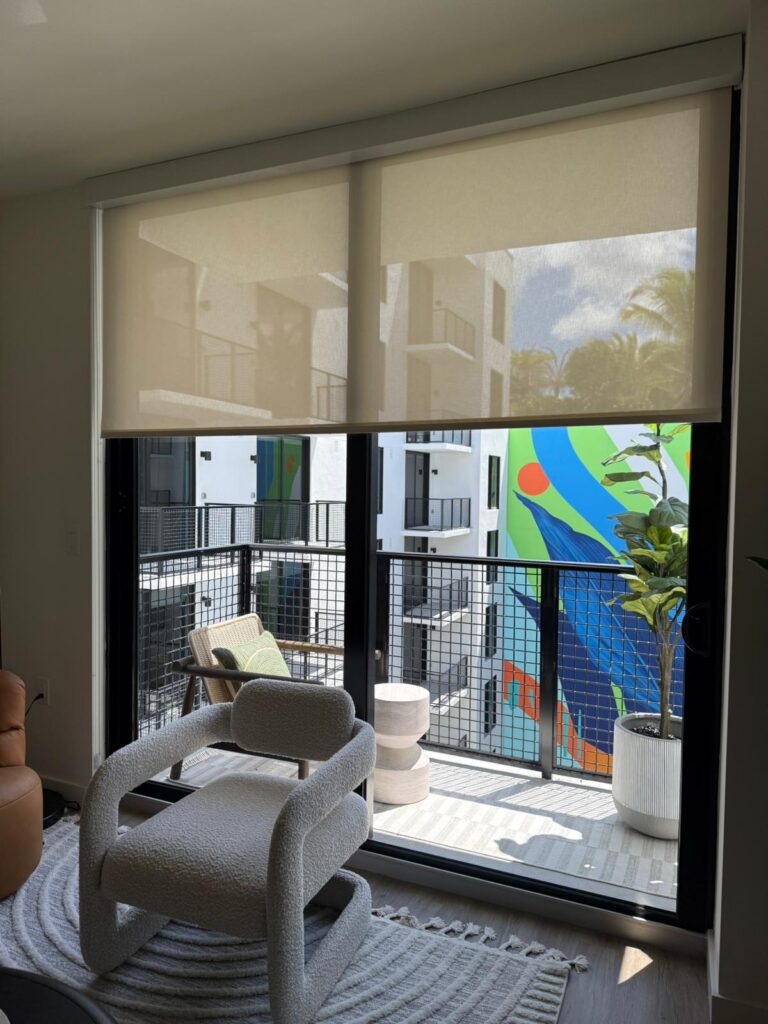
This is where many projects unknowingly create risk.
They hire a supplier, but what large-scale builds actually require is a commercial partner. There’s a difference. A vendor fulfills a scope of work. A commercial partner understands construction sequencing, compliance requirements, electrical coordination, and long-term replacement strategy.
Window treatments may be installed late in the schedule, but they must be thought through early. Motorized systems require voltage confirmation before drywall closes. Fire ratings and child safety compliance must align with code. Deliveries need to match phased turnovers. Without experience in commercial builds, these details can be underestimated
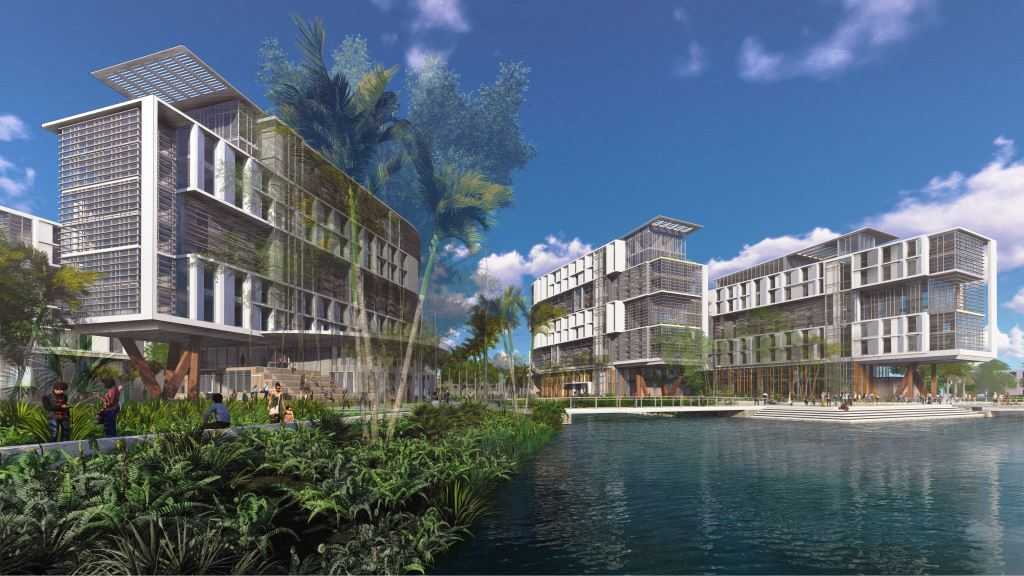
Motorized shades have become standard in many Class A multifamily and hospitality projects. Beyond aesthetics, automation is changing how commercial spaces function — something we’ve covered in depth when discussing how motorized blinds are reshaping office and multifamily environments. They elevate the resident experience and contribute to the overall positioning of a property.
But motorization also introduces complexity.
Voltage assumptions must be correct.
Wiring must be confirmed.
Access for future servicing must be considered.
When these conversations happen too late, adjustments become expensive. When they happen early, they become manageable.
The difference is planning — and experience.
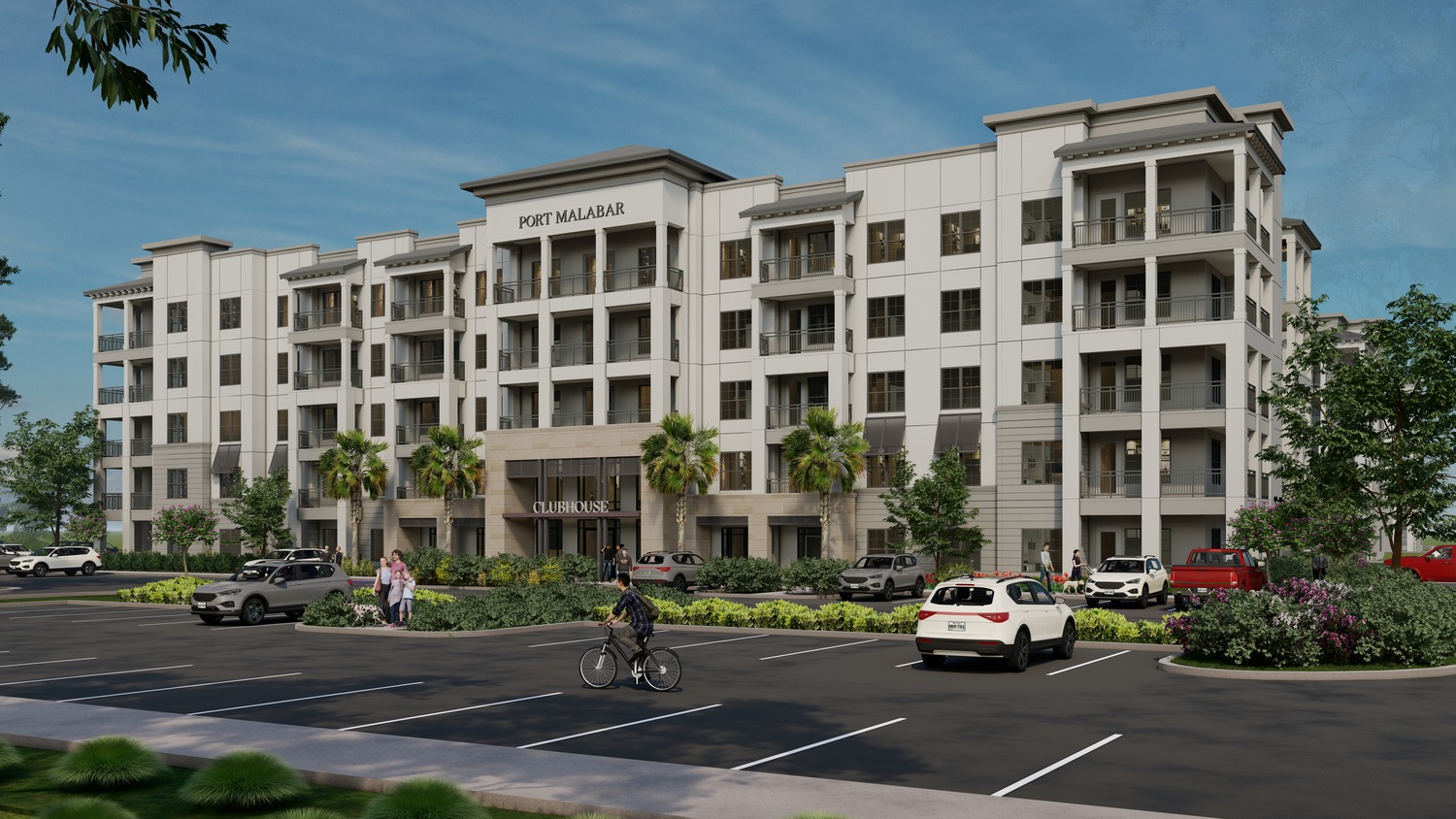
The ribbon gets cut. The project is delivered. Everyone moves on to the next build. But the building doesn’t stop operating. Within the first few years, properties inevitably need replacement units, matching fabrics, additional shades for renovated apartments, parts, or motor servicing. This is where many suppliers quietly disappear. Fabric lines change. Hardware gets discontinued. Contacts move on.
Now imagine a property manager calling for 18 replacement shades — same size, same fabric, same finish — and finding out that none of it is available anymore. What should have been a simple reorder turns into compromise. Slightly different materials. Slightly different hardware. More time, more coordination, more cost.
Not catastrophic. Just inefficient. And across hundreds of units, those small inefficiencies add up. That’s why planning window treatments for large-scale developments requires thinking beyond installation day and into long-term operations.
A long-term partner doesn’t vanish after installation. They document specifications, maintain continuity where possible, and make future reorders straightforward — not complicated.
That’s the difference between finishing a job and supporting a building.
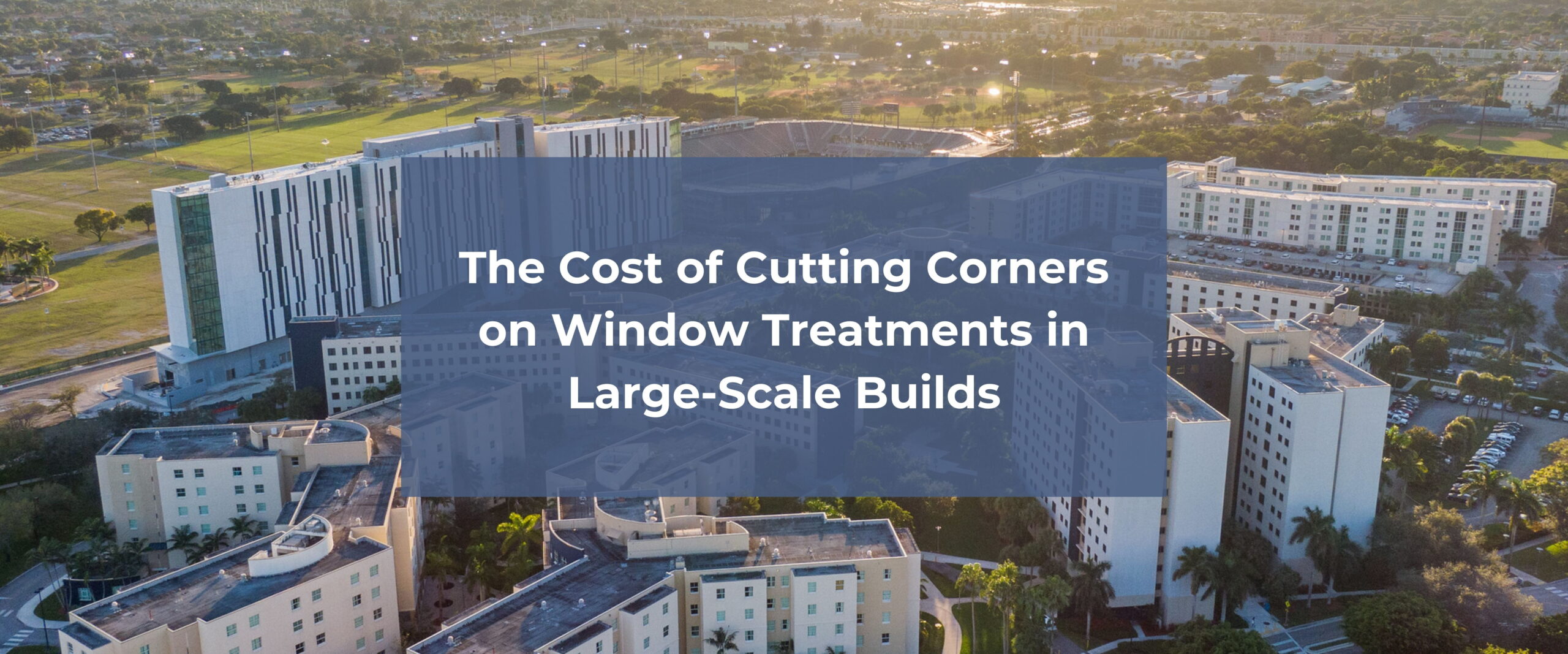
In a $60M or $100M development, window treatments represent a small fraction of the overall investment.
But they influence daily living, maintenance volume, operational efficiency, and the way a property presents itself in competitive markets.
The cheapest option rarely remains the cheapest over time. For teams evaluating commercial projects, understanding how to properly order and coordinate window treatments upfront can prevent many of these long-term issues.
At ShadeMonster, we approach commercial projects with that reality in mind. We review specifications carefully. We coordinate motorized requirements before production. We organize deliveries clearly and document installations to simplify future replacements.
Most importantly, we stay engaged beyond installation.
Because the goal isn’t simply to complete a scope of work.
It’s to support the building long after turnover.
And in large-scale construction, that’s where the real value lies.
We’ve been doing this for more than 25 years—and it shows. From spec to install and beyond, we support your project at every stage with precision and professionalism.
We manufacture in our own US based facility, allowing full oversight of production, material consistency, and timelines. Direct control means fewer surprises and better uniformity across hundreds of units.
We use high-performance fabrics designed for multifamily and hospitality environments. Cheaper materials often fade, fray, and require early replacement — increasing lifecycle cost.
Our commercial team works directly with yours to coordinate specifications, voltage requirements, submittals, and phased deliveries. We understand construction sequencing and deadlines.
Installation is handled by trained professionals familiar with commercial standards. Clean execution reduces punch-list issues and protects your schedule.
At project closeout, property management receives a building-specific user manual with direct reordering links for the exact shades and parts installed.
No remeasuring. No mismatched components. No guesswork.
We maintain detailed project records to support replacements, additional phases, and future renovations. Our Support Hub provides troubleshooting guides, motor setup assistance, and access to parts when needed.
From boutique builds to high-rise developments, our portfolio reflects a wide range of multifamily and commercial work. Explore our case studies to see how we execute at scale — and support projects long after installation.
If you're planning a multifamily or large-scale commercial project, let's talk early. From specification and motorization planning to streamlined reorders years after install, we’re structured to support your building long after turnover.
Get in Touch NowRequest SamplesHow long should commercial window treatments last?
In multifamily and hospitality environments, properly specified commercial-grade shades should last several years under daily use. Lower-grade products may fail within 12–24 months, increasing maintenance costs.
Are motorized shades worth it in multifamily projects?
Yes — when properly specified. Motorized shades improve resident experience and property value, but voltage coordination and long-term service planning are critical during preconstruction.
What happens if replacement fabric is discontinued?
Without a long-term partner, matching replacements can become difficult. Working with a commercial-focused provider helps ensure continuity and tracking of original specifications.
How can property managers simplify future reorders?
A digital reorder system and documented project specifications allow property teams to quickly reorder matching units without remeasuring or guessing hardware compatibility.